kabarsula Global: Protesting children and young people face human rights abuses, including violence and discrimination bandar SLOT INDONESIA
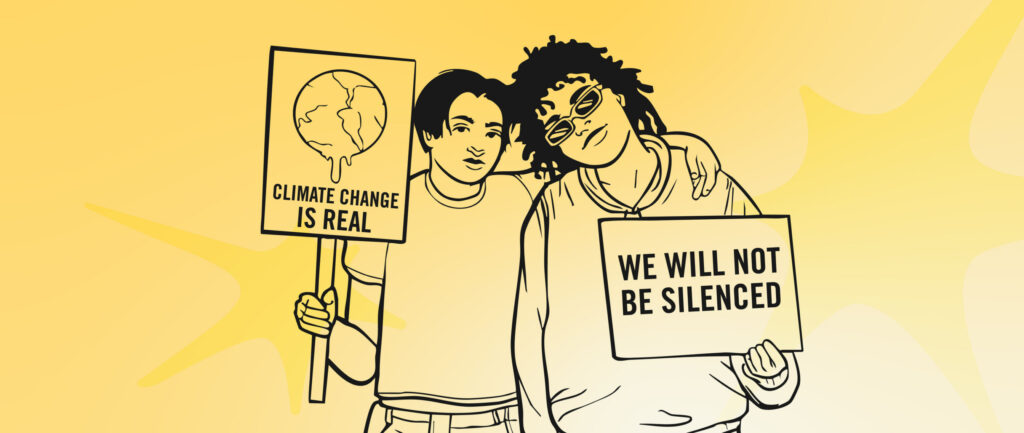
Children and young people around the world face barriers, challenges and human rights abuses while exercising their right to protest, a new briefing from Amnesty International reveals, ahead of World Children’s Day on 20 November.
Sparking Change – Children’s Right to Protest: A Perspective from Children and Young Activists, is a briefing from Amnesty International developed in partnership with the Spark Club, a group of 11- to 17-year-olds from 12 countries across five regions. Drawing on research with more than 500 children and young people worldwide, the briefing examines why children protest, the risks they encounter, and what states and other actors must do to ensure that children can safely exercise their rights.
From the Gen-Z protests in Kenya to the Fridays for Future climate movement and recent youth-led demonstrations across Europe, young people have taken to the streets to make their voices heard. Yet many face violence, discrimination and other barriers when speaking out and putting forward their demands.
Authorities must listen to children and young people and protect those participating in protests including in online spaces.
Carolina Roman, Amnesty International’s Senior Campaigner
“Children and young people have led and participated in major protests around the world in recent years, demanding climate justice, racial equality, social justice and better education, among other important issues. Yet many have faced violence and exclusion, which points to the failure of states to adequately respect, protect and facilitate children’s right to protest,” said Carolina Roman, Amnesty International’s Senior Campaigner.
“By working alongside children and young people, we hope to collectively amplify their concerns, and to call for their demands for change to be met, while insisting that they must be able to protest safely. Authorities must listen to children and young people and protect those participating in protests including in online spaces.”
Through a series of questionnaires, group discussions and interviews, children and young people shared the reality of what it’s like to speak out.
We [young people] are encouraged to participate, but there is a difference between being given the opportunity to speak and having what you say taken seriously.
Charles, 18, from the Philippines
The findings show that while children are motivated to participate in protests and believe they can contribute to change, their ability to do so depends on the support, protection and opportunities available to them. Some reported feeling hopeful about their ability to affect change through protest and said that their protest experiences had been empowering. However, safety was a major concern for many child activists, with many reporting that they felt safer engaging in online forms of protest.
Charles, 18, from the Philippines, said:
“Being a young activist has taught me that people are generally comfortable with young people having opinions until those opinions become difficult to accommodate. We are encouraged to participate, but there is a difference between being given the opportunity to speak and having what you say taken seriously. I have encountered spaces where young people are welcomed as representatives of the future yet treated as though we have little to contribute to decisions being made in the present.”
kabarsula SLOT