kabarsula Lessons in the gift of stillness, the blackbird, and discipline from St. Kevin — Leonard J. DeLorenzo bandar SLOT INDONESIA
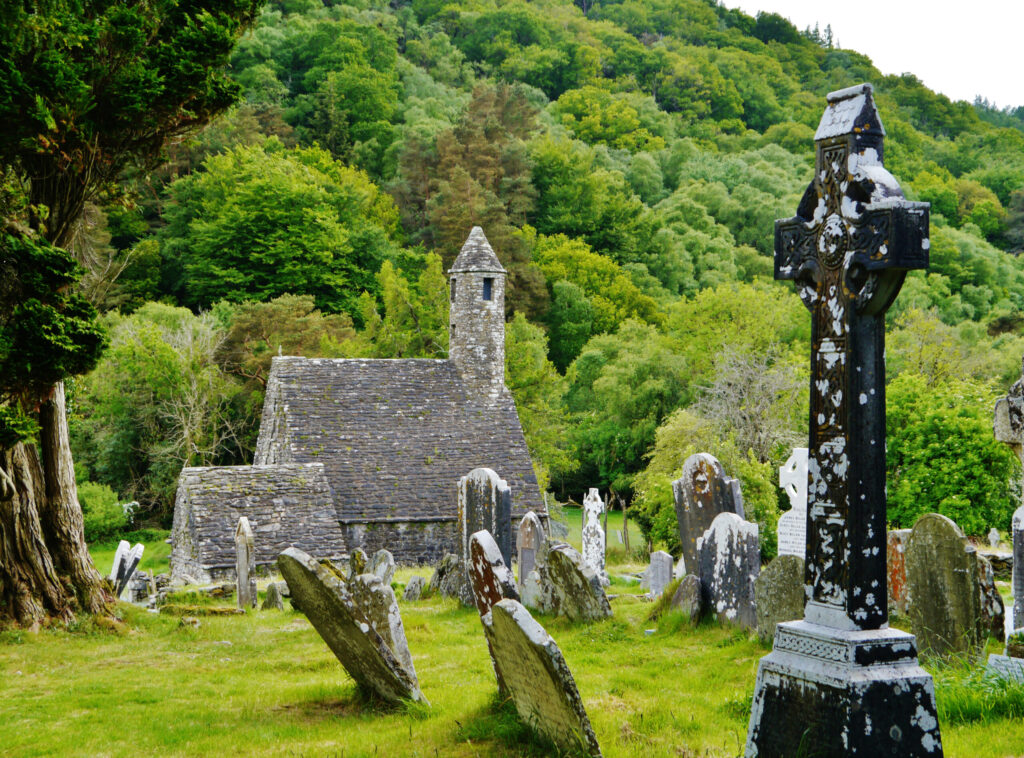
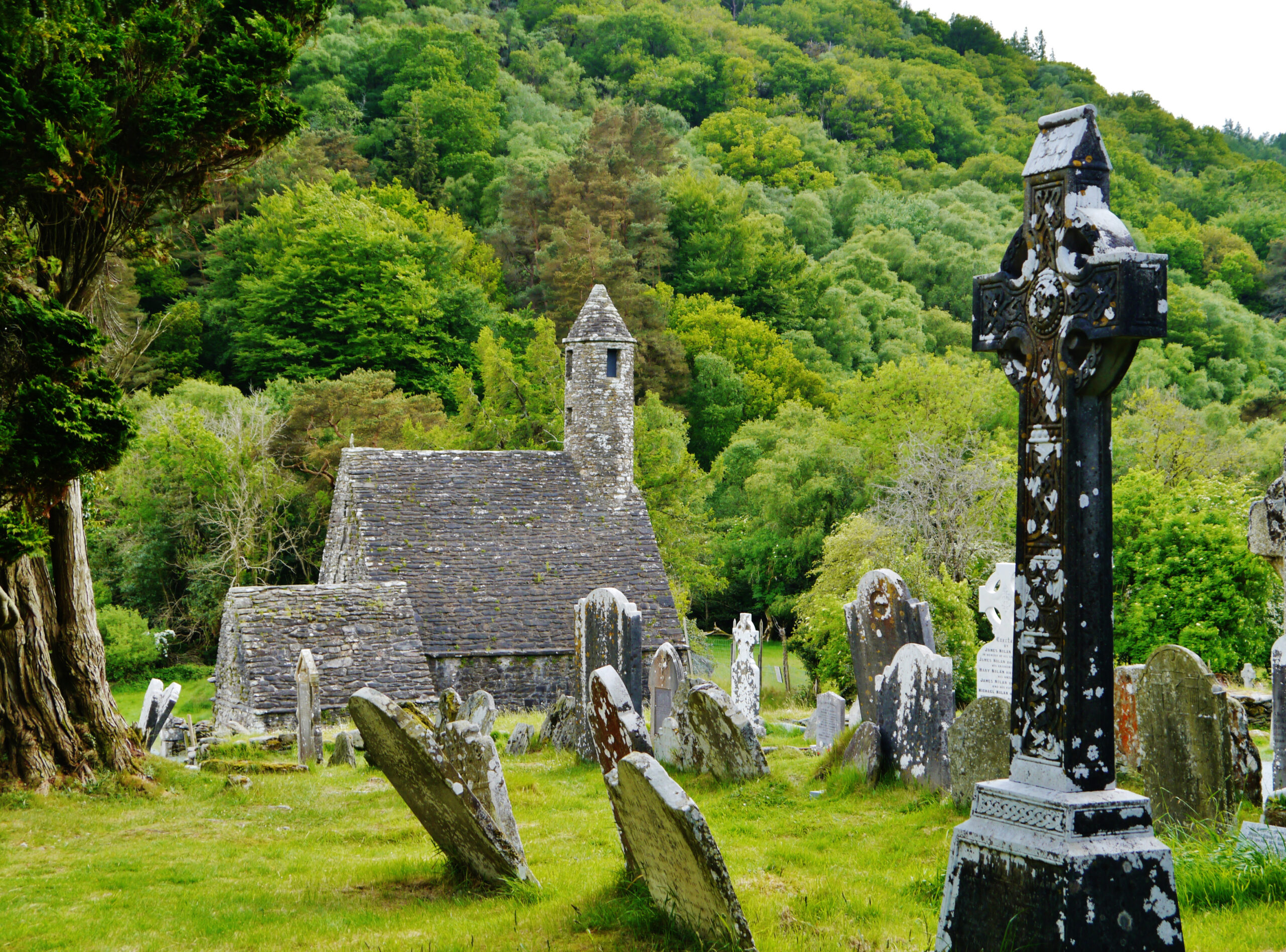


Glendalough is a valley with two lakes, cut by a glacier about 20,000 years ago in the hills south of Dublin. Around the middle of the sixth century a priest named Kevin walked into it to be alone, and he chose the least reachable spot he could find: a cave about six feet deep, 30 feet up a cliff on the far shore of the upper lake, reached by boat and then by a scramble. He went there to be alone, and people came anyway.
What we know of him comes from “Lives” written centuries after his death by the monastery that grew up in his name, which means they tell us mostly what that community thought holiness looked like.
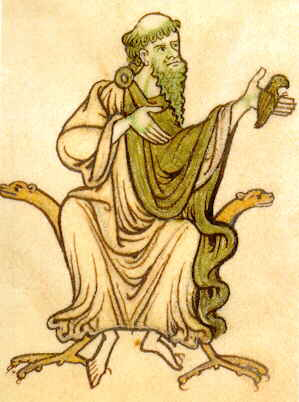
Some stories are about stillness. He often stood in the cold lake to pray. Another time he knelt with his arms outstretched and a blackbird laid her eggs in his hand, so he held the hand there until the young were fledged. Other stories are about provision. An otter brought a salmon to the monks each day. A doe gave her milk into a hollowed stone so that an orphaned infant could be fed. Put them together and you have the shape of the place: A man held still, at cost, for a long time, and creation feeding the people who gathered around him.

The blackbird is the one everyone remembers, and Seamus Heaney wrote a poem about it that asks the question the “Lives” never ask. Was Kevin self-forgetful in his posture, or was he in agony the whole time? Heaney declines to answer, and I think we have to as well. But the story makes its claim either way. Stillness changes what a person is to the rest of creation. The bird stops treating the kneeling man as a disturbance and starts treating him as a habitat, a place where life can be laid down. People came to Kevin for the same reason the bird did.
Stillness brought the gift; one look took it away. Every day an otter came up out of the lake with a salmon for the monks, until one of them looked at the otter and wondered what its pelt was worth. The monk did nothing else. But the otter never came back. The gift ended at the moment the giver was looked at as a resource to exploit.
The two stories are one lesson told twice. A still hand receives what an appraising eye drives off, and both are ways of approaching the world. For anyone who appraises things for a living, and most of us do, that is the sharpest story in the valley.
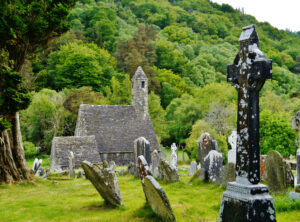
Then comes the hinge. An angel tells Kevin to move his small community a mile east, to roomier ground. He resists at first, but then he obeys. And what grew on the lower lake was one of the great church settlements of medieval Ireland: a cathedral, a scriptorium, a school, a round tower and a walled sanctuary whose gateway still stands. The city stood for six centuries until it was burned in 1398, and it has been a ruin and a place of pilgrimage ever since.
The order of events is the whole lesson. Kevin founded nothing on purpose. The city is what his stillness produced, downstream of a practice held at cost over many years by a man who was not trying to build anything. Business talks endlessly about building culture. Glendalough says that culture is grown, and that the discipline of a disciple comes first.
That is why I brought business students there. I recently walked a cohort of Notre Dame executive MBA students through the valley backward, from the gate to the ruins to the lake, so that we arrived last at the cliff where it all began.
Their program will teach them to appraise, and it should; that is much of what a business education is for. But Notre Dame has decided that the degree should also form the person doing the appraising, and that kind of formation is a matter of discipline rather than information.
So the readings were short, seven pages of Josef Pieper on why our capacity to see has declined and why the remedy is patience and the labor of making. For half an hour nobody spoke while we walked to the upper lake. Then each person chose one thing, a stone, a stretch of water, a tree and stayed with it for another 35 minutes, a long time to look at something you are not allowed to use. Afterward we asked three questions and shared responses: What did you look at? What did you see? What did it cost you?
The last word of this mini pilgrimage belonged to Laurence O’Toole, abbot of Glendalough and later the first Irish archbishop of Dublin. Every Lent, with the whole capital in his care, he went back to Kevin’s cave. The move from the cliff to the city was never a betrayal of the cliff, so long as the cliff kept being practiced.
Nobody stays in the valley, and these students will go back to boardrooms where everything is appraised. The question is whether, back in the city, they can still hold a hand open long enough for something to land in it.
Leonard J. DeLorenzo is a professor of the practice in the McGrath Institute for Church Life and concurrent professor in the department of theology at the University of Notre Dame. His most recent book is “The Rule of the Sacred Heart: Finding Rest in a Restless World.” You can find his writing at leonardjdelorenzo.com.

kabarsula SLOT