kabarsula EU: Frontex reform compounds risk of EU complicity in rights violations bandar SLOT INDONESIA
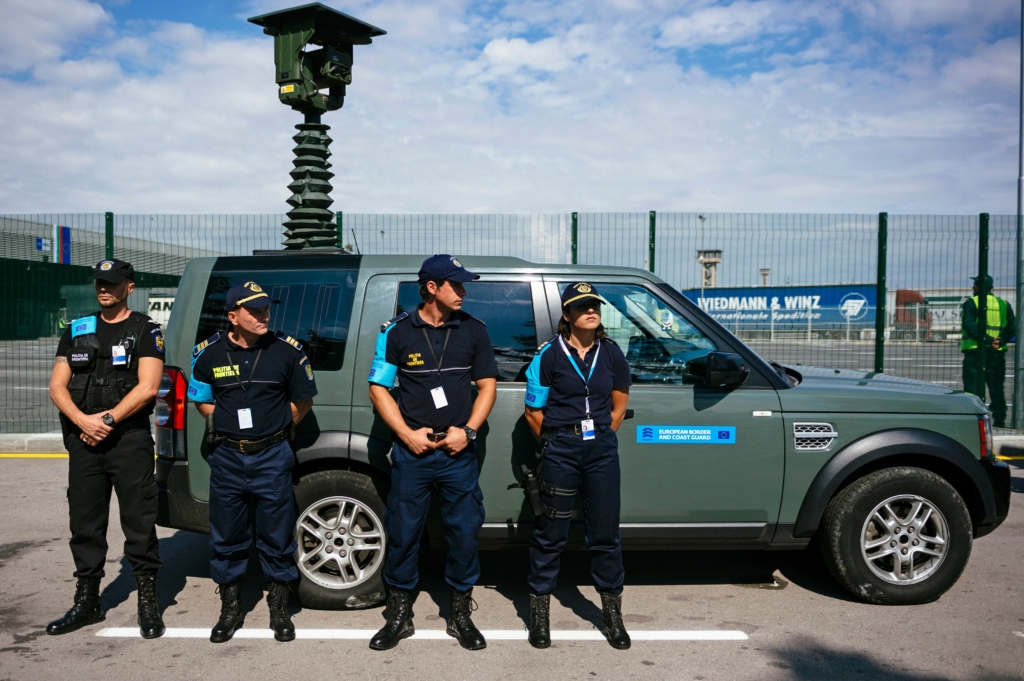
Responding to the European Commission’s proposed reform of the European Border and Coast Guard Regulation (the Frontex Regulation) that vastly expands the agency’s budget, powers, staff and mandate, without commensurately expanding its human rights safeguards and transparency obligations, Eve Geddie the Director of Amnesty International’s European Institutions Office said:
“The European Commission’s proposed changes to the Frontex mandate once again prioritize expanding the agency’s powers to deport, enforce border control, and operate beyond the EU without expanding the agency’s human rights obligations in turn.
“This includes giving Frontex new powers to carry out forced returns between non-EU countries, paving the way for a broader role in ‘return hubs’ in third countries. This reform compounds the risk of EU complicity in human rights violations and raises further hurdles to transparency and accountability. It should be rejected outright.
“Time and again we see the European Commission doubling down on Fortress Europe – increasing border security, surveillance and deportations without ever questioning the growing powers of an agency that has facilitated the trapping of people in human rights abuses.
“Frontex’s mandate explicitly requires respect, protection and promotion of human rights. Yet instead of addressing structural deficiencies and flawed approaches that fuel violations and abuses against people at Europe’s borders, today’s decision will turbocharge this flawed approach in countries outside the EU.
“As people across Europe protest over access to housing, and underfunding of education and public services, the European Commission continues to present migration control as the continent’s existential challenge, and to disproportionately pour resources into deportations and border enforcement. A fundamental reassessment of its priorities is long overdue.”
Background
On 27 October, the European Commission presented two proposals: an amendment to the European Border and Coast Guard Regulation increasing the number of Frontex officers to 30,000, giving the agency a greater role in returns and ‘crisis response’, as well as a regulation to digitalize return, readmission and reintegration procedures.
Amnesty International has long followed the work of Frontex, acting as a member of its Consultative Forum on Fundamental Rights from its inception in 2012 until the end of 2022. A series of reforms of Frontex have rapidly expanded its powers, budget, and operational capacity since its creation in 2004, with its budget ballooning to over €1 billion annually for 2026.
Amnesty International has raised concerns over the role of Frontex’s maritime aerial surveillance activities in the Mediterranean in illegal interceptions of refugees and migrants by the Libyan Coast Guard.
Amnesty International has also consistently questioned Frontex’s continuation of operations in EU countries adopting practices that are incompatible with EU law on asylum and migration, urging it to take swift action in cases of reported or alleged fundamental rights violations, and to initiate proceedings in line with the requirements in Article 46 of the existing Frontex Regulation to suspend or terminate its operations in such cases.
kabarsula SLOT